Clicking the title will open a detailed view of that book. When in the detailed view, clicking the Collection name will return you to this page.
All items on this page are subject to copyright laws.

Ethics, Palliative Care, & Chaplaincy - Ethics & Palliative Care

1 - 10 of 16 results found

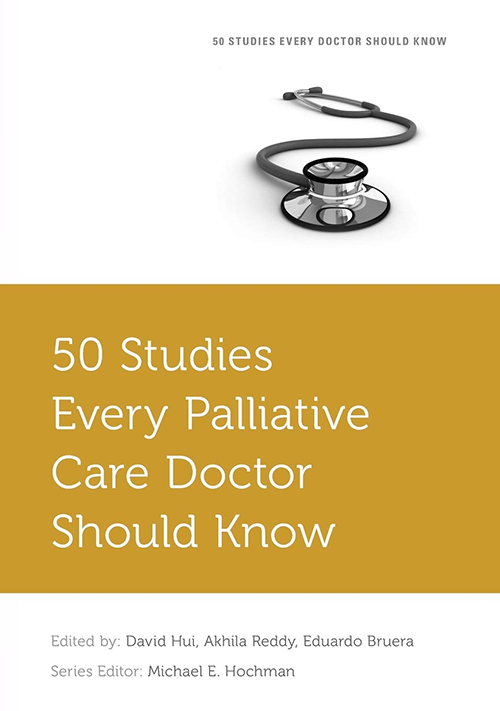
50 Studies Every Palliative Care Doctor Should Know. 2018

Description

50 Studies Every Palliative Care Doctor Should Know presents key studies that have shaped the practice of palliative medicine. Selected using a rigorous methodology, the studies cover topics including: palliative care, symptom assessment and management, psychosocial aspects of care and communication, and end-of-life care. For each study, a concise summary is presented with an emphasis on the results and limitations of the study, and its implications for practice. An illustrative clinical case concludes each review, followed by brief information on other relevant studies. This book is a must-read for health care professionals and anyone who wants to learn more about the data behind clinical practice.

Topical Term(s)
Clinical Trials; Evidence-Based Medicine; Palliative Care; Palliative Treatment

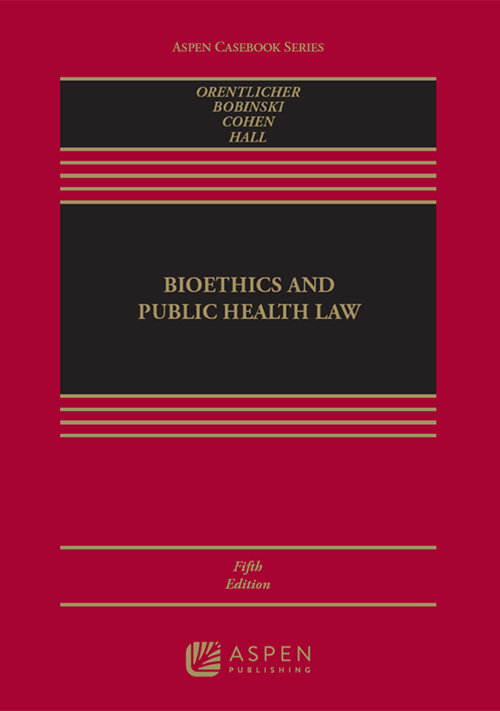
Bioethics and Public Health Law, Fifth edition. 2024

Description

In the Fifth Edition of Bioethics and Public Health Law, financial and ethical issues are integrated into a concise and engaging treatment. This book is based on Part I “The Provider and the Patient” and Part II "The Patient, Provider, and the State,” from Health Care Law and Ethics, Tenth Edition, and adds material on organ transplantation, research ethics, and other topics. The complex relationship between patients, providers, the state, and public health institutions are explored through high-interest cases, informative notes, and compelling problems.

Topical Term(s)
Bioethics; Public Health Laws

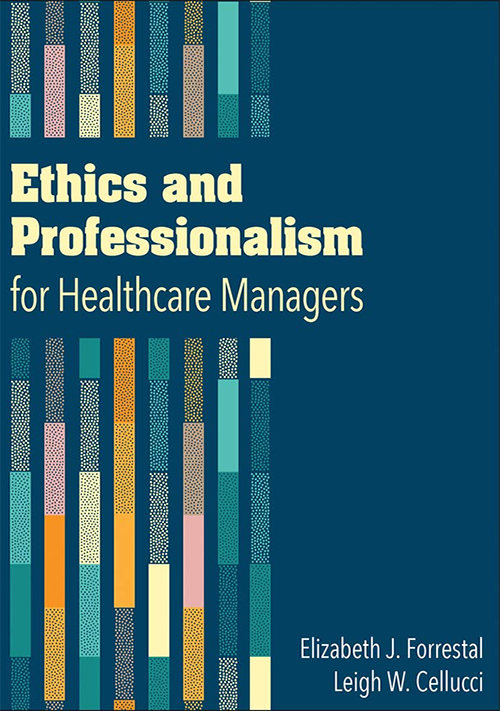
Ethics and Professionalism for Healthcare Managers : Competencies, Skills, Decision-Making. 2016

Description

This is a unique, innovative professional nursing ethics textbook designed specifically for all practicing nurses and to meet the educational needs of all nursing students, including RN to BSN and RN to MSN students. Written by experts in the field, it discusses ethical concepts relevant to the registered nurse who has practiced for several years but is learning higher level concepts and applications. This text addresses different areas of professional practice and is rich with case studies illustrating the need for ethical competence and decision making. The book fulfills the necessary criteria for the AACN Essentials for Baccalaureate Education and the QSEN and IOM competencies. It also integrates relevant provisions and statements from the revised Code for Nurses (ANA, 2015).

Clear and concise, the text relates content to the nurse's current practice and introduces a framework for the development of ethical competence, from recognition of an ethical situation to implementation of a justifiable action. A decision-making model that includes elements of care and virtue ethics is also included. Essential communication and conflict skills are addressed, in addition to the role of the ethics committee and ethics consultation. The book discusses common ethical issues likely to be encountered, how to recognize and address moral distress, and ethical practice as it relates to research, quality, and safety. Case studies that incorporate evidence-informed research provide the opportunity to develop ethical skills and apply decision making principles. Relevant QSEN competencies and provisions and statements from the ANA's revised Code for Nurses (2015) are featured in each chapter.

Topical Term(s)
Clinical Ethics Delivery of Health Care Ethics Health Services Administration Ethics Professional Role

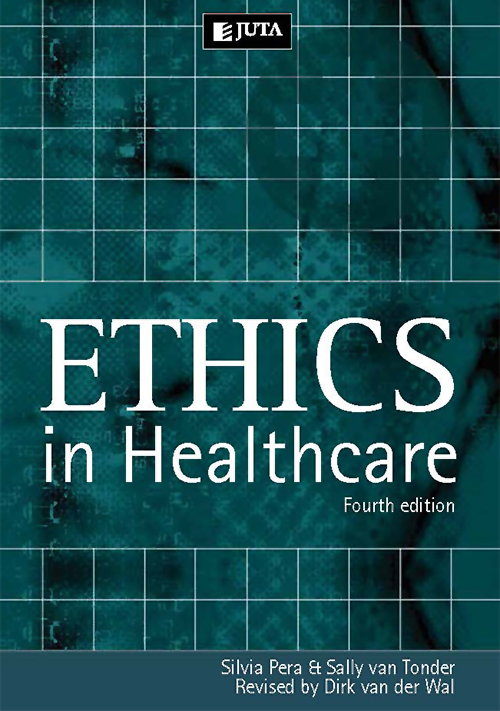
Ethics in Healthcare, Fourth edition. 2018

Description

Now in its fourth edition, Ethics in Healthcare approaches the topic of ethics from the perspective of the nurse and offers a viewpoint on the many ethical questions he or she has to deal with every day. This established and accessible text takes a fresh look at the question of cultural diversity and explains why the profession of nursing has to adhere to a common value system. Main Updates in the new edition: The chapter on legal liability has been rewritten to form a central reference point of the text. The chapter on the teaching of ethics and the ethics of teaching, in addition to exploring the question of the moral development of the student, has been revised to illuminate the manner and matter of nursing and healthcare education.

Topical Term(s)
Ethics; Medical Ethics; Nursing Ethics

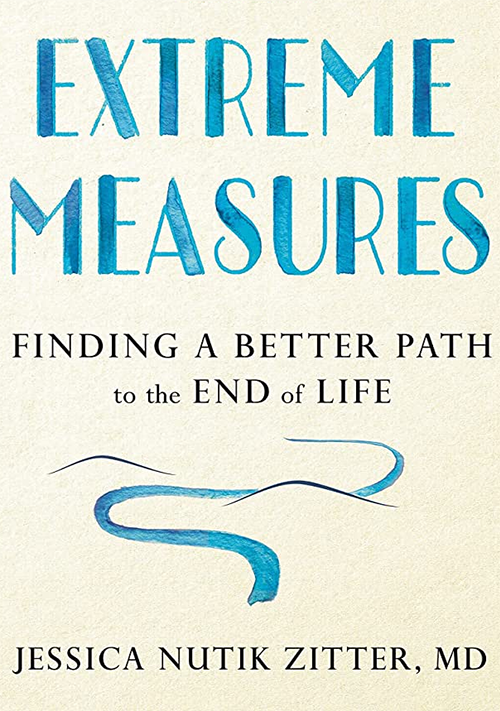
Extreme Measures: Finding a Better Path to the End of Life. 2017

Description

In medical school, no one teaches you how to let a patient die.

Jessica Zitter became a doctor because she wanted to be a hero. She elected to specialize in critical care—to become an ICU physician—and imagined herself swooping in to rescue patients from the brink of death. But then during her first code she found herself cracking the ribs of a patient so old and frail it was unimaginable he would ever come back to life. She began to question her choice.

Extreme Measures charts Zitter’s journey from wanting to be one kind of hero to becoming another—a doctor who prioritizes the patient’s values and preferences in an environment where the default choice is the extreme use of technology. In our current medical culture, the old and the ill are put on what she terms the End-of-Life Conveyor belt. They are intubated, catheterized, and even shelved away in care facilities to suffer their final days alone, confused, and often in pain. In her work Zitter has learned what patients fear more than death itself: the prospect of dying badly. She builds bridges between patients and caregivers, formulates plans to allay patients’ pain and anxiety, and enlists the support of loved ones so that life can end well, even beautifully.

Filled with rich patient stories that make a compelling medical narrative, Extreme Measures enlarges the national conversation as it thoughtfully and compassionately examines an experience that defines being human.

Topical Term(s)
Death; Palliative Treatment; Terminal Care; Terminally Ill Care; Terminally Ill Home Care

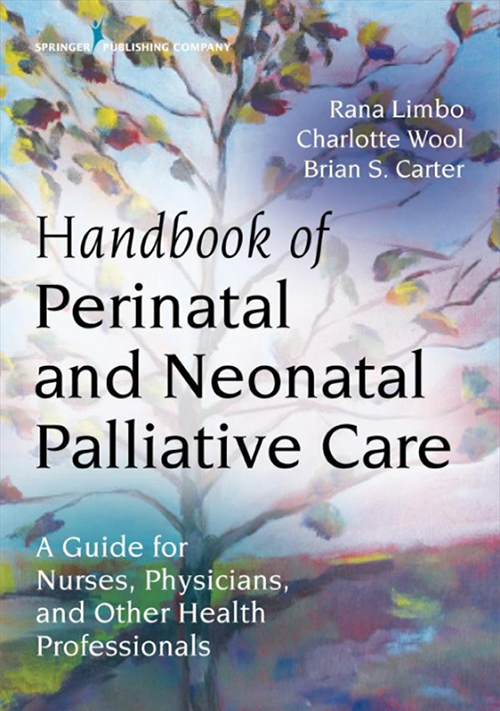
Handbook of Perinatal and Neonatal Palliative Care: A Guide for Nurses, Physicians, and Other Health Professionals. 2019

Description

The first resource of its kind, this authoritative handbook holistically addresses the multidimensional aspects of perinatal and neonatal palliative care. Written by an interprofessional team of renowned specialists, it is both a text and an evidence-based reference for all members of the palliative care team. This book helps individual team members forge interdisciplinary approaches to care, assess current programs, improve the quality of care, and tailor new models of care.

Encompassing the perspectives of numerous multidisciplinary healthcare providers, the book underscores the unique aspects of perinatal and neonatal palliative care, with a focus on improving quality of life, as well as comfort at the end of life. It describes healthcare for neonates and pregnant mothers, care and support of the family, planning and decision-making, and effective support for grief and bereavement, addressing all palliative and neonatal care settings.

Other chapters focus on the prenatal period after diagnosis of the expected baby's life-threatening condition. These include such topics as care of the mother, delivering devastating news, and advance care planning. Each chapter contains photos, figures, and/or tables and case studies with clinical implications and critical thinking questions. Also included is an extensive listing of relevant palliative care organizations. Paintings and poetry provide an artistic backdrop to the authors' inspiring words.

Topical Term(s)
Grief; Infant - Newborn; Palliative Care; Perinatal Care

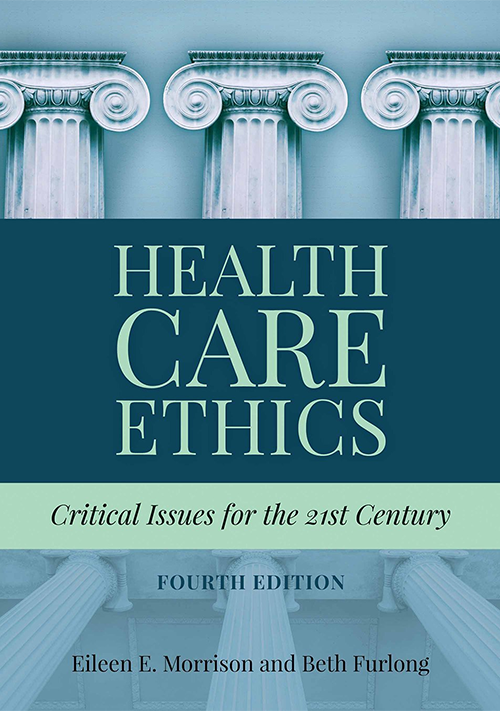
Health Care Ethics: Critical Issues for the 21st Century, Fourth edition. 2019

Description

Organized around the four central themes of healthcare ethics (theoretical foundations and issues for individuals, organizations, and society), Health Care Ethics, Fourth Edition brings together the insights of a diverse panel of leading experts in the fields of bioethics, long-term care, and health administration, among others. Students will build on this critical platform to develop an extensive toolbox of analytical and problem-solving skills. The fully revised and updated Fourth Edition addresses current changes in health care, including three new chapters covering ethical issues related to Health Information Management, Patient Safety, and Epidemics. All other chapters have been updated to reflect the most recent developments in medical technology and new challenges faced by health care professionals in the era of the ACA.

Topical Term(s)
Bioethical Issues; Clinical Ethics; Delivery of Health Care; Medical Ethics

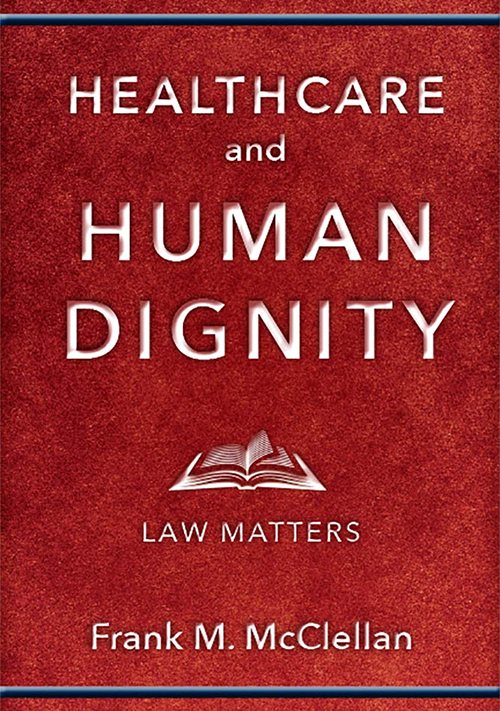
Healthcare and Human Dignity: Law Matters. 2020

Description

The individual and structural biases that affect the American healthcare system have serious emotional and physical consequences that all too often go unseen. These biases are often rooted in power, class, racial, gender or sexual orientation prejudices, and as a result, the injured parties usually lack the resources needed to protect themselves. In Healthcare and Human Dignity, individual worth, equality, and autonomy emerge as the dominant values at stake in encounters with doctors, nurses, hospitals, and drug companies. Although the public is aware of legal battles over autonomy and dignity in the context of death, the everyday patient’s need for dignity has received scant attention. Thus, in Healthcare, law professor Frank McClellan’s collection of cases and individual experiences bring these stories to life and establish beyond doubt that human dignity is of utmost priority in the everyday process of healthcare decision making.

Topical Term(s)
Discrimination in Medical Care; Health and Hygiene of Minorities; Health Services Accessibility; Healthcare Disparities; Minority Medical Care; Respect; Socioeconomic Factors

Healthcare Ethics for Healthcare Practitioners. 2017

Description

Healthcare ethics cannot be limited in scope to apply only to the patient but needs to apply to the healthcare practitioner as well. The relationship between the patient and the healthcare practitioner has shifted from a power relationship to a complementary relationship. Leadership, mentorship and coaching play important roles in facilitating this shift.

Topical Term(s)
Bioethics; Medical Education; Medical Personnel Ethics

Medical Law, Ethics, & Bioethics for the Health Professions, Eighth edition. 2022

Description

Meet the legal and ethical challenges you will face as a healthcare professional in ambulatory outpatient and clinical settings. The 8th Edition of this popular text guides you through legal concepts and the law, important ethical issues, and the emerging area of bioethics to prepare you to treat your patients with understanding, sensitivity, and compassion. Often complex concepts are brought to life with vignettes, case studies and other real-world examples of how legal theories, the law, and ethics apply to day-to-day practice in today’s rapidly evolving healthcare system. Clearly written and easy to read, it provides the strong ethical and legal foundation that today’s healthcare professionals need to better serve their clients.

Topical Term(s)
Bioethics; Medical Laws and Legislation
My Saved Lists